En Th

Sinhala Wal Katha | Mom And Son Install

A strong mother-son bond is essential for the emotional and psychological well-being of both individuals. Research has shown that a secure attachment between a mother and son can have a positive impact on the child's development, social skills, and emotional intelligence. As the child grows older, this bond can evolve into a lifelong connection that provides emotional support, guidance, and a sense of belonging.

The Sinhala Wal Katha is a vital aspect of mother-son relationships in Sri Lankan culture. By understanding the importance of this bond and making an effort to install or strengthen it, mothers and sons can enjoy a more fulfilling and supportive relationship. By prioritizing quality time, communication, emotional support, respect, and empathy, mothers and sons can build a lifelong connection that brings joy, comfort, and a sense of belonging to their lives. As we navigate the complexities of modern life, it is essential to recognize the value of traditional relationships and make a conscious effort to nurture and preserve them. sinhala wal katha mom and son install

In many Asian cultures, including Sri Lanka, the bond between a mother and son is considered one of the most significant relationships in a person's life. The term "Sinhala Wal Katha" roughly translates to "mother-son relationship" in English, and it encompasses the complex emotions, responsibilities, and expectations that come with this familial bond. In this article, we will explore the significance of Sinhala Wal Katha in the context of mom and son relationships and discuss how installing or strengthening this bond can have a positive impact on both individuals. A strong mother-son bond is essential for the

In Sri Lankan culture, the mother-son relationship is deeply rooted in tradition and societal expectations. Mothers are often seen as the primary caregivers and nurturers, while sons are expected to take on a protective and caring role towards their mothers. This dynamic is reflected in the way families are structured and the way children are raised. The Sinhala Wal Katha is considered a vital aspect of family life, and it is not uncommon for mothers and sons to prioritize their relationship above other family ties. The Sinhala Wal Katha is a vital aspect

In recent years, modernization and urbanization have led to changes in family structures and relationships. With more women entering the workforce and families becoming more nuclear, the traditional mother-son relationship has undergone significant changes. Sons are often expected to take on more responsibilities and become more independent, while mothers are expected to balance work and family life. These changes can create challenges in the mother-son relationship, leading to feelings of disconnection and misunderstanding.


A strong mother-son bond is essential for the emotional and psychological well-being of both individuals. Research has shown that a secure attachment between a mother and son can have a positive impact on the child's development, social skills, and emotional intelligence. As the child grows older, this bond can evolve into a lifelong connection that provides emotional support, guidance, and a sense of belonging.

The Sinhala Wal Katha is a vital aspect of mother-son relationships in Sri Lankan culture. By understanding the importance of this bond and making an effort to install or strengthen it, mothers and sons can enjoy a more fulfilling and supportive relationship. By prioritizing quality time, communication, emotional support, respect, and empathy, mothers and sons can build a lifelong connection that brings joy, comfort, and a sense of belonging to their lives. As we navigate the complexities of modern life, it is essential to recognize the value of traditional relationships and make a conscious effort to nurture and preserve them.

In many Asian cultures, including Sri Lanka, the bond between a mother and son is considered one of the most significant relationships in a person's life. The term "Sinhala Wal Katha" roughly translates to "mother-son relationship" in English, and it encompasses the complex emotions, responsibilities, and expectations that come with this familial bond. In this article, we will explore the significance of Sinhala Wal Katha in the context of mom and son relationships and discuss how installing or strengthening this bond can have a positive impact on both individuals.

In Sri Lankan culture, the mother-son relationship is deeply rooted in tradition and societal expectations. Mothers are often seen as the primary caregivers and nurturers, while sons are expected to take on a protective and caring role towards their mothers. This dynamic is reflected in the way families are structured and the way children are raised. The Sinhala Wal Katha is considered a vital aspect of family life, and it is not uncommon for mothers and sons to prioritize their relationship above other family ties.

In recent years, modernization and urbanization have led to changes in family structures and relationships. With more women entering the workforce and families becoming more nuclear, the traditional mother-son relationship has undergone significant changes. Sons are often expected to take on more responsibilities and become more independent, while mothers are expected to balance work and family life. These changes can create challenges in the mother-son relationship, leading to feelings of disconnection and misunderstanding.
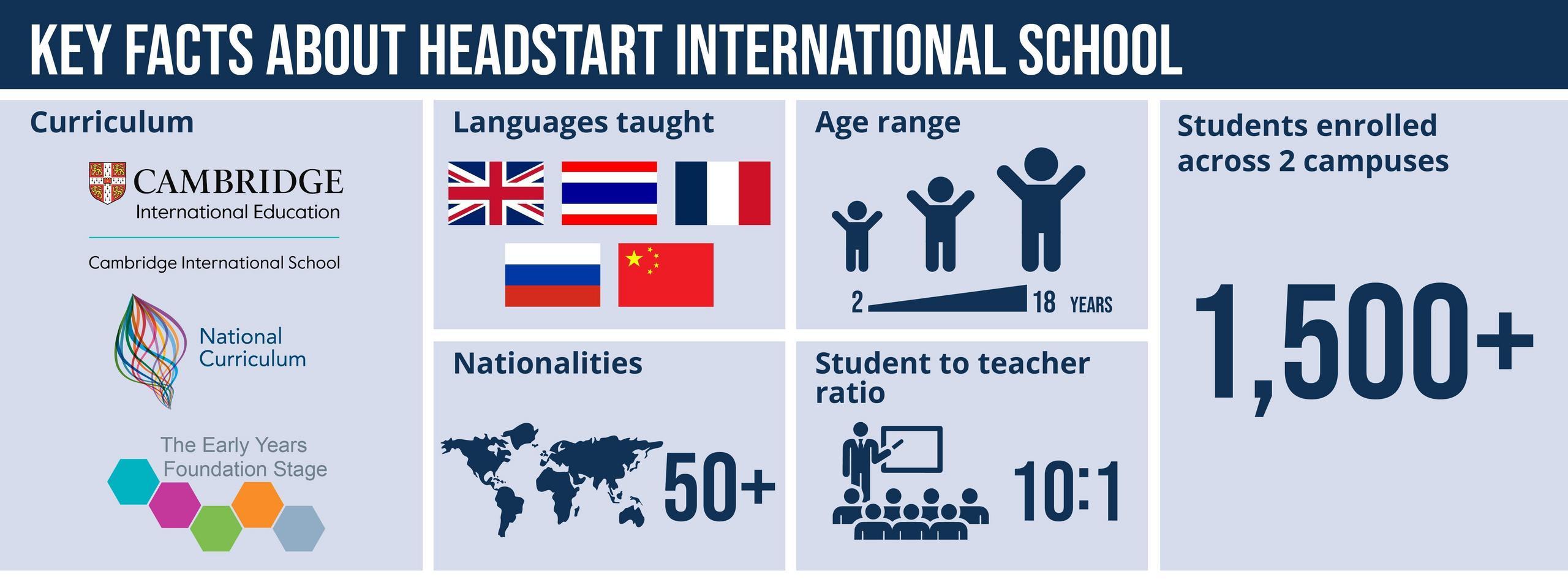
HeadStart Key Facts logo updated 2025
Default 4dc4830b b6a9 4398 8a43 b2827ce58132Default f064f010 782f 45c2 8c22 61b4bb0cdf5bDefault 8b63266f 1d5e 4479 8635 9fd4e3dcdf2fDefault 288e8bd1 da42 4211 baf4 9d7557deca7bDefault 936285ea 66a7 4dcc a2c1 4717b3d7988dDefault cda37e10 5767 4c87 9748 95d7b2bedbe9Default e5e0accd cdfa 4fe4 8b7b 7bd7189fa5b3Default c1e478c2 232a 4edc 9f6f b9e14670fd34Default 4fc2d169 731f 4e38 882b 7e5c0ac7b8e0Default 95a1e377 f695 43ae 9a9c 9b54158dfc6e