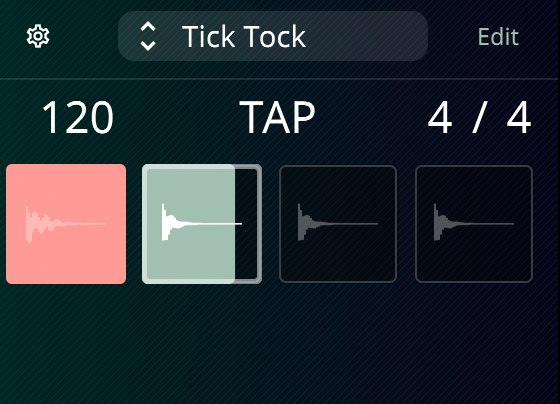
TICK is a self-contained metronome. It runs almost anywhere. It runs as a plug-in, it runs on your phone. Everything is self-contained so your metronome sounds (and your bpm/time-signature) can go wherever you go.
In the end, the notch VFX crack serves as a reminder that even the most talented and innovative individuals can crack under the pressure of success. It's a cautionary tale that will continue to resonate with VFX artists and developers for years to come.
Notch's entry into the world of visual effects began in the early 2000s, when he started experimenting with 3D modeling and animation software. At the time, he was working on a number of small projects, including a game called "Cave Game," which would eventually evolve into Minecraft. Notch's early work in VFX was marked by a DIY ethos and a passion for pushing the boundaries of what was possible with limited resources.
So what happened to Notch? How did a developer who was once hailed as a visionary and a creative genius become a polarizing figure in the gaming industry? notch vfx crack cracked
According to those who know him, Notch's struggle with fame was a major factor in his downfall. As Minecraft's popularity grew, Notch found himself increasingly in the spotlight, with fans and media outlets clamoring for his attention.
The hashtag #NotchIsGone began trending on social media, with fans expressing their concerns about the future of the game and the direction it would take without its creator at the helm. The Minecraft community, which had once been united and enthusiastic, began to fracture, with some fans defecting to other games and others staying loyal to the franchise. In the end, the notch VFX crack serves
As his skills improved, Notch began to gain attention from the VFX community, who were impressed by his unique approach to 3D modeling and animation. His work on Minecraft, which was initially released in 2009, quickly gained a massive following, and Notch became something of a rockstar in the indie game development scene.
But as Notch began to explore other areas of the gaming industry, his reputation began to take a hit. He became known for his outspoken and often abrasive views on social media, which alienated some of his fans and colleagues. Additionally, his decision to join forces with Oculus VR, a company that was later acquired by Facebook, sparked concerns about the commercialization of Minecraft and the future of the game's community. At the time, he was working on a
"It's like he cracked under the pressure," said one industry insider, who wished to remain anonymous. "He was always a bit of a introverted person, but as Minecraft grew, he became more and more reclusive. He stopped attending conferences and events, and he became less and less engaged with the community."
As the VFX industry continues to evolve, it's clear that Notch's legacy will be a complex and multifaceted one. While his contributions to the field are undeniable, his struggles with fame and his reputation for being difficult to work with have left a lasting impact on those who know him.
As Notch's involvement with Minecraft began to wane, the community surrounding the game began to feel the effects. Fans who had grown to love the game's creative freedom and Notch's unique approach to game development began to feel abandoned and disillusioned.
