 Discover the latest updates
 of January 2025 for the PV module
Read more
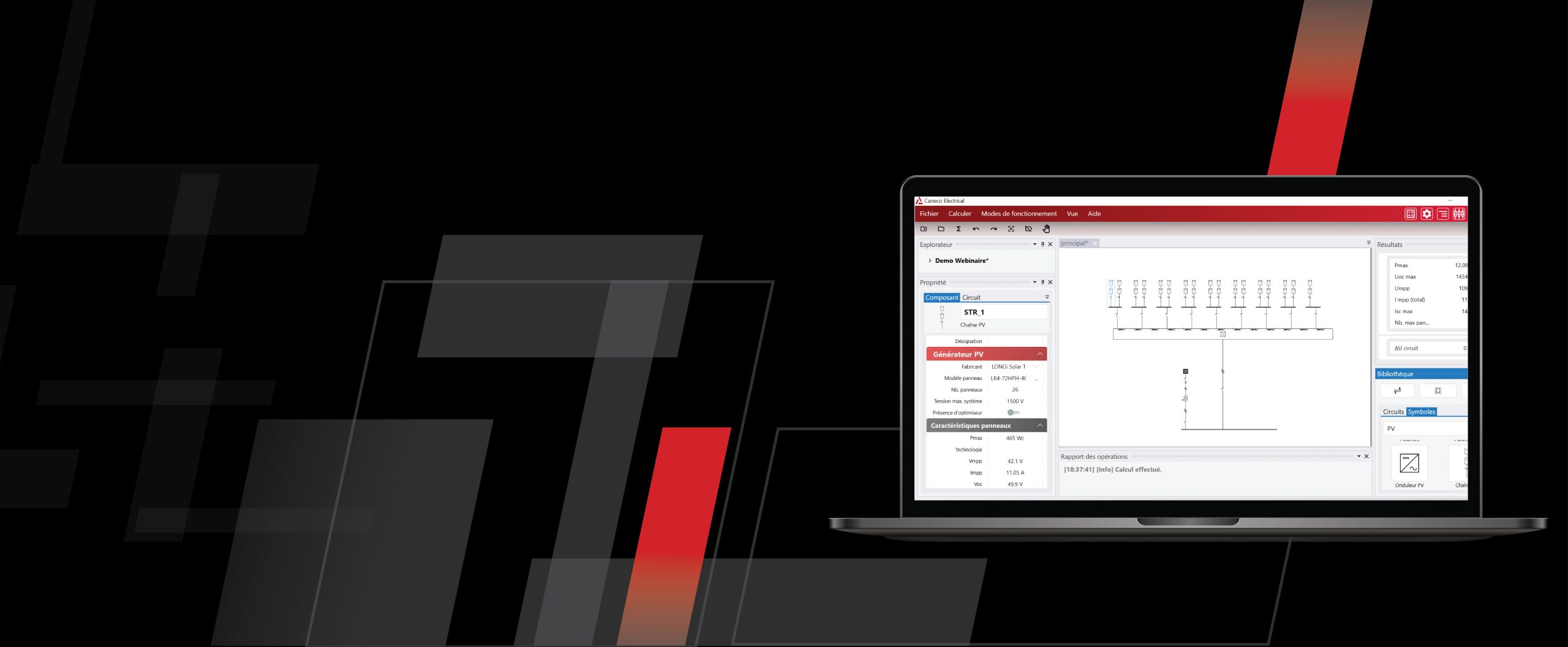
Caneco 2024 Now Available
Read more

EXPERIENCE THE CONNECT EFFECT
Read more on AVEVA.com
 Discover the latest updates
The significance of Part 1 lies in its curation. It didn't just archive files; it presented them as a cohesive aesthetic experience. For collectors, finding the original "Get Wasted" M36 files is akin to finding a first-press vinyl record—the quality is baked into the original limitations of the medium. Conclusion: Preservation Over Modification
M36 content often relied on variable frame rates to save memory. The "Get Wasted" program Part 1 was designed to synchronize these frames perfectly. Modern players often struggle with this, leading to "jitter" that wasn't present in the source. The Legacy of Part 1 hmv get wasted program part1 hentai m36 origi better
of this initiative specifically focused on the "M36" era. M36 is a designation for a specific generation of assets that transitioned from 16-bit color palettes to more complex 32-bit shading, a revolutionary step for the industry at the time. The "M36 Origi Better" Debate: Original vs. Upscaled The significance of Part 1 lies in its curation
Despite the provocative name, "Get Wasted" refers to a specific distribution and optimization campaign focused on maximizing the visual output of Japanese PC-98 and early Windows-era media. The program aimed to take raw source files—often limited by the hardware of the time—and utilize proprietary HMV (High-definition Media Viewer) codecs to deliver a smoother, more vibrant experience. The Legacy of Part 1 of this initiative
The digital landscape of niche media is often defined by specific technical milestones and underground preservation projects. Among these, the represents a fascinating intersection of early 2000s Japanese PC culture and the evolution of high-quality digital animation formats. For fans of retro "M36" content, "Part 1" of this series remains a high-water mark for fidelity and stylistic consistency.