Easeus Hosts Blocker.bat [repack] May 2026
Version: 2.2.15 (2020-12-05)
Windows 32-bit or 64-bit supported
Version: 2.2.15 (2020-12-05)
Windows 32-bit or 64-bit supported
Servers that collect usage data and hardware specs.
While you can manually edit the hosts file, using a .bat script offers several advantages: It updates dozens of entries in seconds. Accuracy: It ensures no typos are made in long server URLs.
The easeus hosts blocker.bat is a Windows batch file designed to automate the process of modifying the Windows "hosts" file. Its primary purpose is to redirect EaseUS-related domain names to a non-existent IP address (typically 127.0.0.1 or 0.0.0.0), effectively cutting off the software's ability to communicate with the internet. Why Use a Batch Script? easeus hosts blocker.bat
EaseUS software is widely used for data recovery, partition management, and backup. However, many users find the persistent background processes, update checks, and "phone home" telemetry of these applications intrusive. One popular community-driven solution for managing these connections is a script known as easeus hosts blocker.bat.
Servers that trigger pop-ups for new versions. Servers that collect usage data and hardware specs
It can be run with administrative privileges to bypass system file protections instantly. How the Script Works
Internal marketing prompts for other EaseUS products. The easeus hosts blocker
Servers that check if a product key is valid.
This article explores what this script does, how it works, and why users choose this method to manage their software environment. What is EaseUS Hosts Blocker.bat?
The script operates by targeting the Windows system file located at C:\Windows\System32\drivers\etc\hosts . When you run the batch file as an administrator, it appends a list of specific EaseUS servers to this file. Common Domains Blocked The script typically targets domains used for:

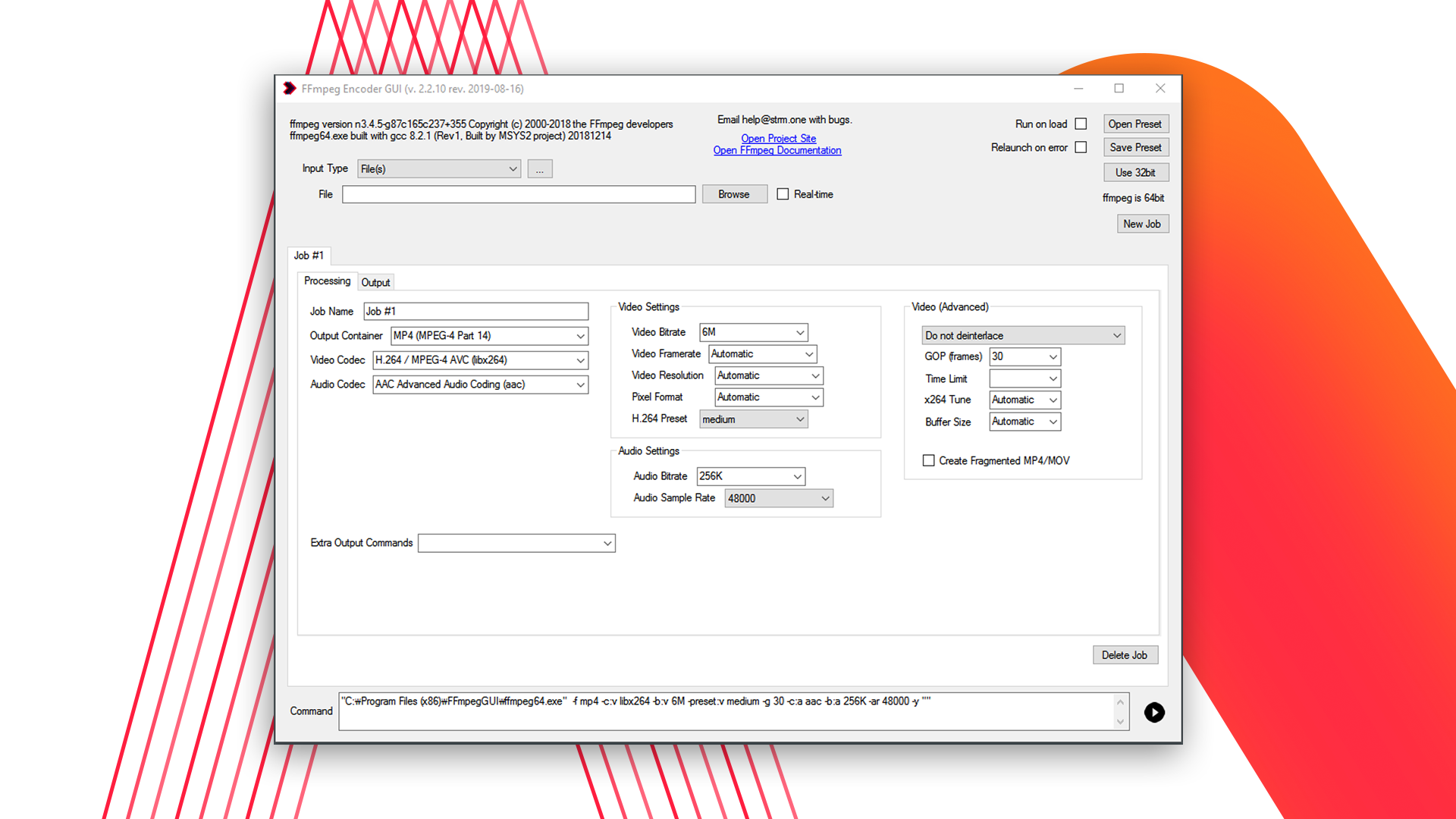
FFmpegGUI currently supports File, DirectShow, Blackmagic Decklink, NewTek NDI or URL inputs.
Drag and drop your file(s) from your system to be processed quickly.
Prompting to rename any input file(s) with non-ASCII filenames to be compatible with command-line processor.
You can easily export your clip(s) to a file, NewTek NDI destination, RTMP server or any other custom output supported by FFmpeg.
The included FFmpeg is built with hardware encoding support for NVENC. GUI support is experimental at this time, feedback is welcome.
32-bit and 64-bit Windows binaries of FFmpeg included. Current binaries are based on version 3.4.5.
Save your encoding settings as file to be recalled later. Settings are formatted as an XML document.
GUI project is developed by ffmpeg fans and distributed for any usage. Non-free codecs in the included FFmpeg build may have further restrictions.
Servers that collect usage data and hardware specs.
While you can manually edit the hosts file, using a .bat script offers several advantages: It updates dozens of entries in seconds. Accuracy: It ensures no typos are made in long server URLs.
The easeus hosts blocker.bat is a Windows batch file designed to automate the process of modifying the Windows "hosts" file. Its primary purpose is to redirect EaseUS-related domain names to a non-existent IP address (typically 127.0.0.1 or 0.0.0.0), effectively cutting off the software's ability to communicate with the internet. Why Use a Batch Script?
EaseUS software is widely used for data recovery, partition management, and backup. However, many users find the persistent background processes, update checks, and "phone home" telemetry of these applications intrusive. One popular community-driven solution for managing these connections is a script known as easeus hosts blocker.bat.
Servers that trigger pop-ups for new versions.
It can be run with administrative privileges to bypass system file protections instantly. How the Script Works
Internal marketing prompts for other EaseUS products.
Servers that check if a product key is valid.
This article explores what this script does, how it works, and why users choose this method to manage their software environment. What is EaseUS Hosts Blocker.bat?
The script operates by targeting the Windows system file located at C:\Windows\System32\drivers\etc\hosts . When you run the batch file as an administrator, it appends a list of specific EaseUS servers to this file. Common Domains Blocked The script typically targets domains used for: