Panduan Beepos
Dldss 443 Patched ((exclusive)) Official

Penulis: Aditya Vahresi
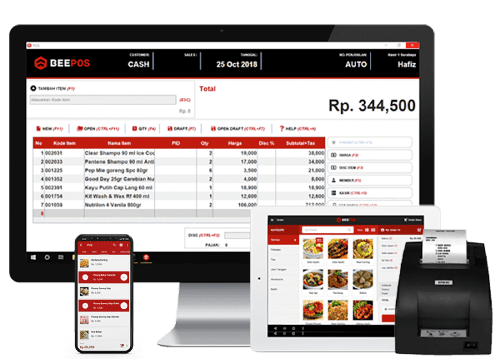
Berikut ini adalah panduan instal Beepos Desktop Di Windows.
untuk link download bisa di bee.id/z/bpddl
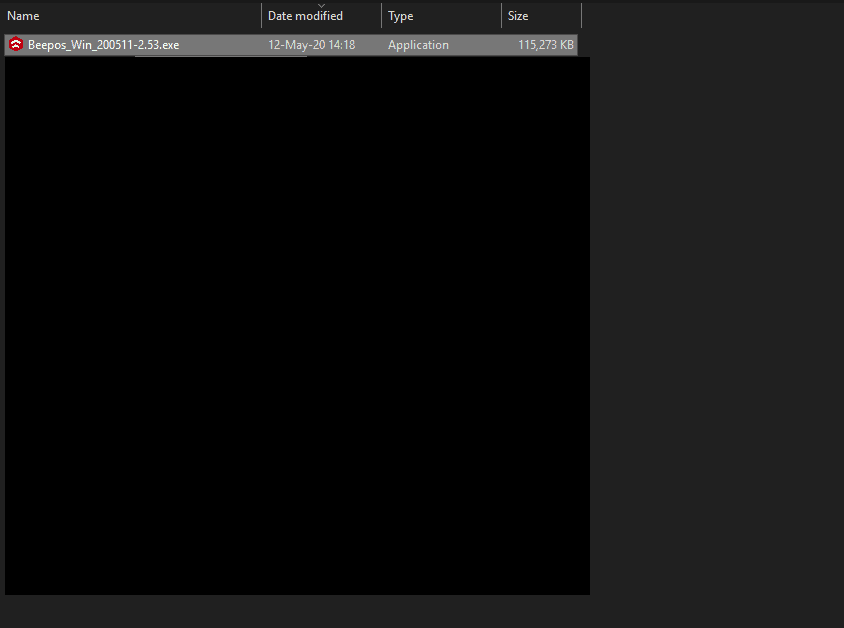
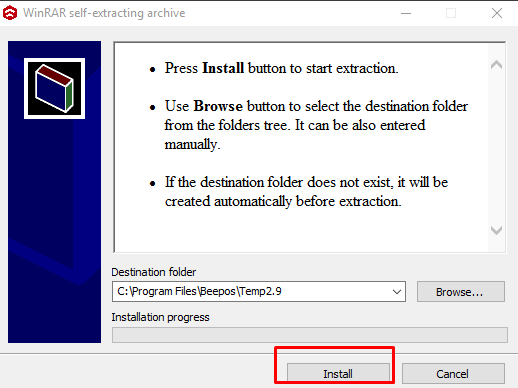
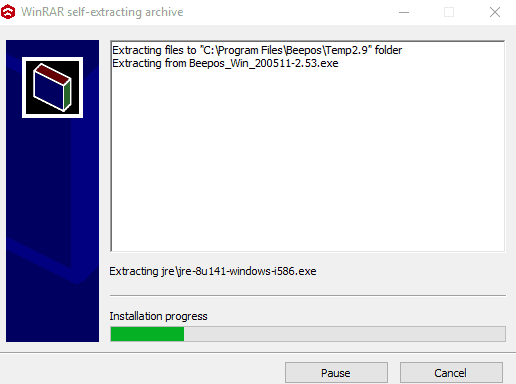
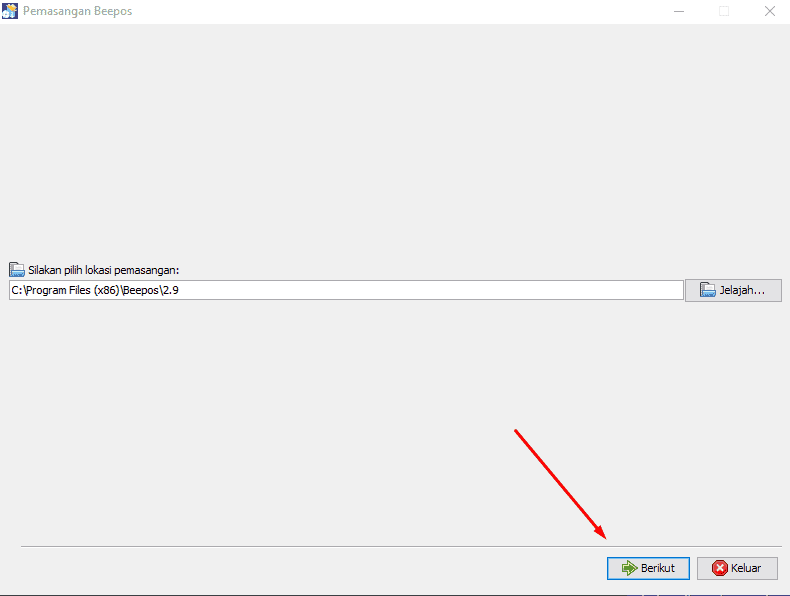
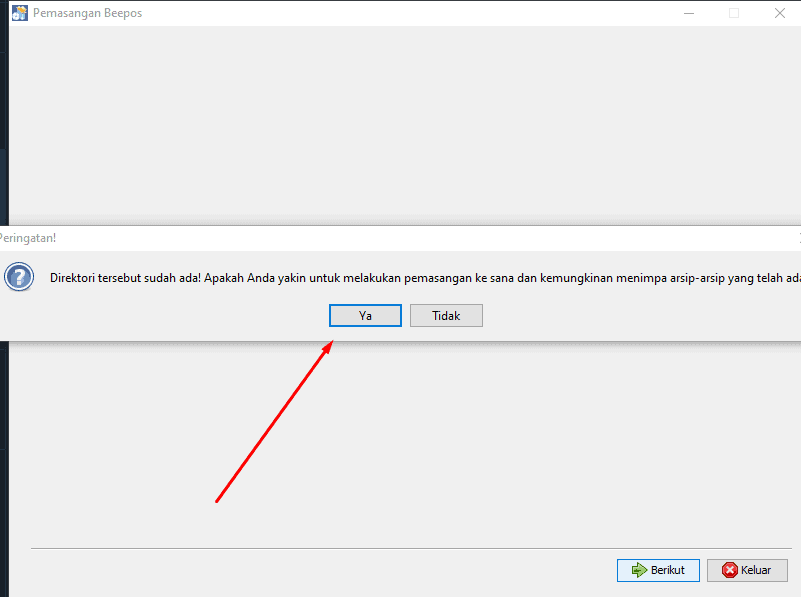
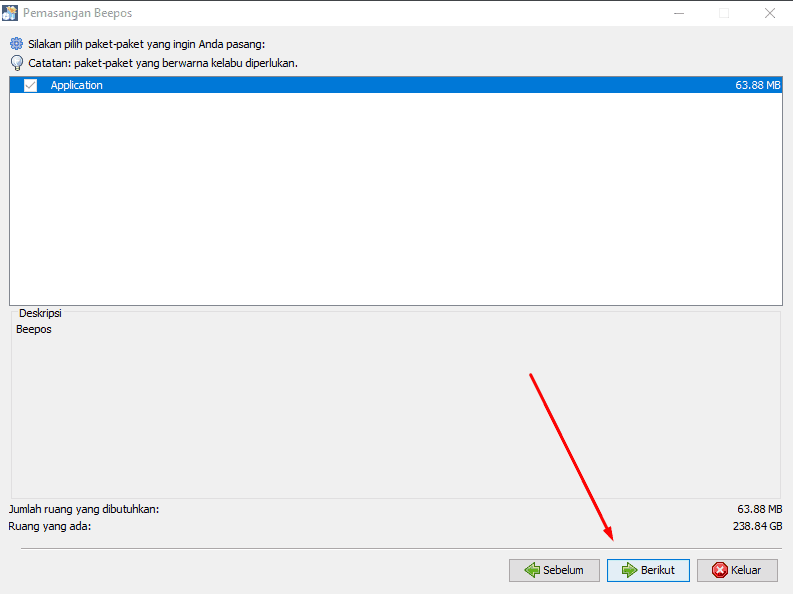
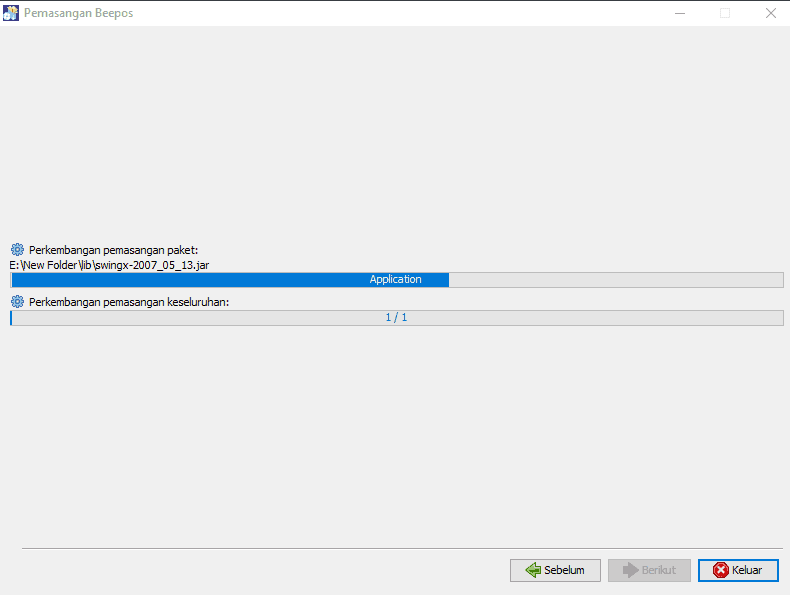
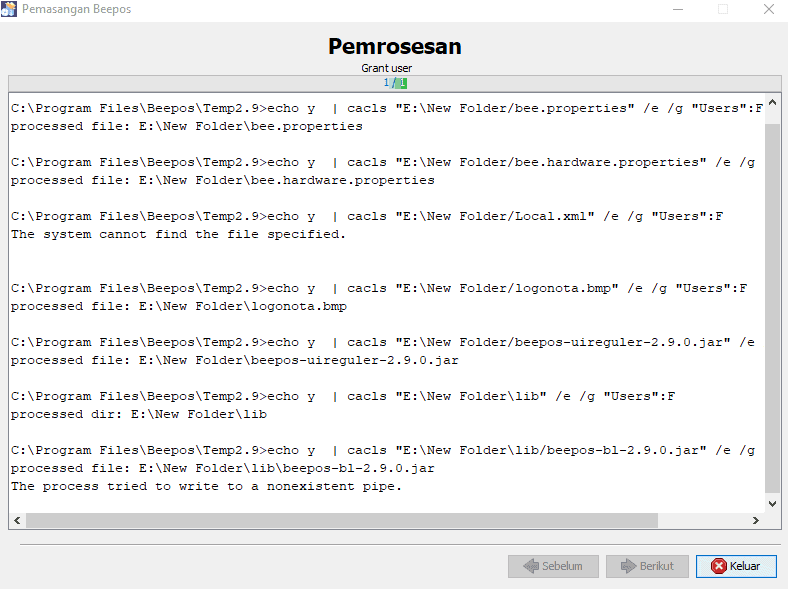
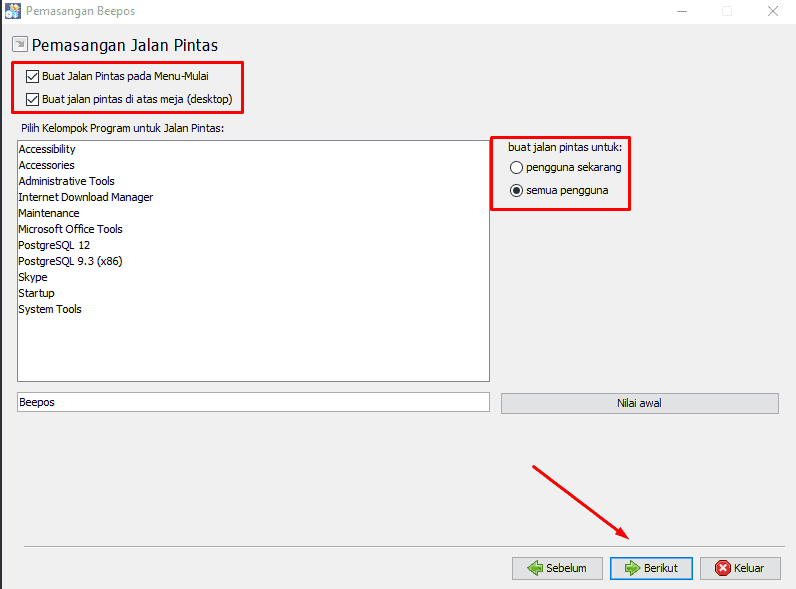
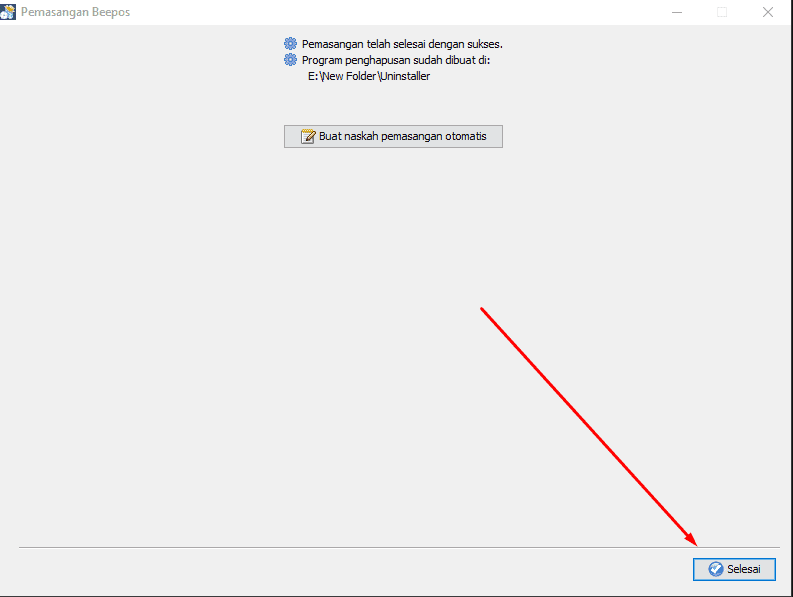
Langkah selanjutnya:
The "DLDSS 443" configuration usually refers to a setup where the DLDSS protocol is encapsulated within standard HTTPS traffic to bypass restrictive firewalls or to add an extra layer of encryption to data transfers. The Vulnerability: Why a Patch Was Needed
This is a specialized protocol used in distributed networking to manage data flow between edge nodes and central servers. It ensures that traffic is authenticated before it hits the deeper layers of a network.
The patch adds granular logging for Port 443 traffic, making it easier for sysadmins to spot "heartbeat" patterns associated with botnets or unauthorized tunneling. dldss 443 patched
This is the standard port for HTTPS traffic. Because Port 443 is almost always open on firewalls to allow web traffic, it is a primary target for tunneling and exploitation.
Newer iterations are built to work with Zero-Trust Network Access (ZTNA), ensuring that just because a packet comes through Port 443, it isn't automatically trusted. How to Check if You Are Protected The "DLDSS 443" configuration usually refers to a
Ensure your software version is dated post-2024 (or matches the specific vendor's patch release notes).
Before the recent "patched" versions began circulating, a significant flaw was identified in how DLDSS handled on Port 443. 1. Buffer Overflow Risks The patch adds granular logging for Port 443
Use tools like Nmap or Wireshark to inspect the traffic headers. Patched DLDSS traffic will have distinct signature changes compared to the legacy versions.
Earlier versions of the service didn't properly validate the size of incoming packets during the initial secure handshake. An attacker could send a specially crafted string to Port 443, causing the service to crash or, worse, execute arbitrary code. 2. Encryption Downgrade Attacks